Today, businesses face the constant challenge of reaching the right audience with the right message. Personalized marketing has emerged as a powerful tool to connect with customers on a deeper level. The foundation of personalized marketing lies in customer segmentation, a technique that allows businesses to divide their customer base into distinct groups based on specific characteristics. Understanding these segments helps businesses tailor their marketing efforts to the unique needs and
preferences of each group, resulting in more effective communication and higher engagement.
Importance of Customer Segmentation
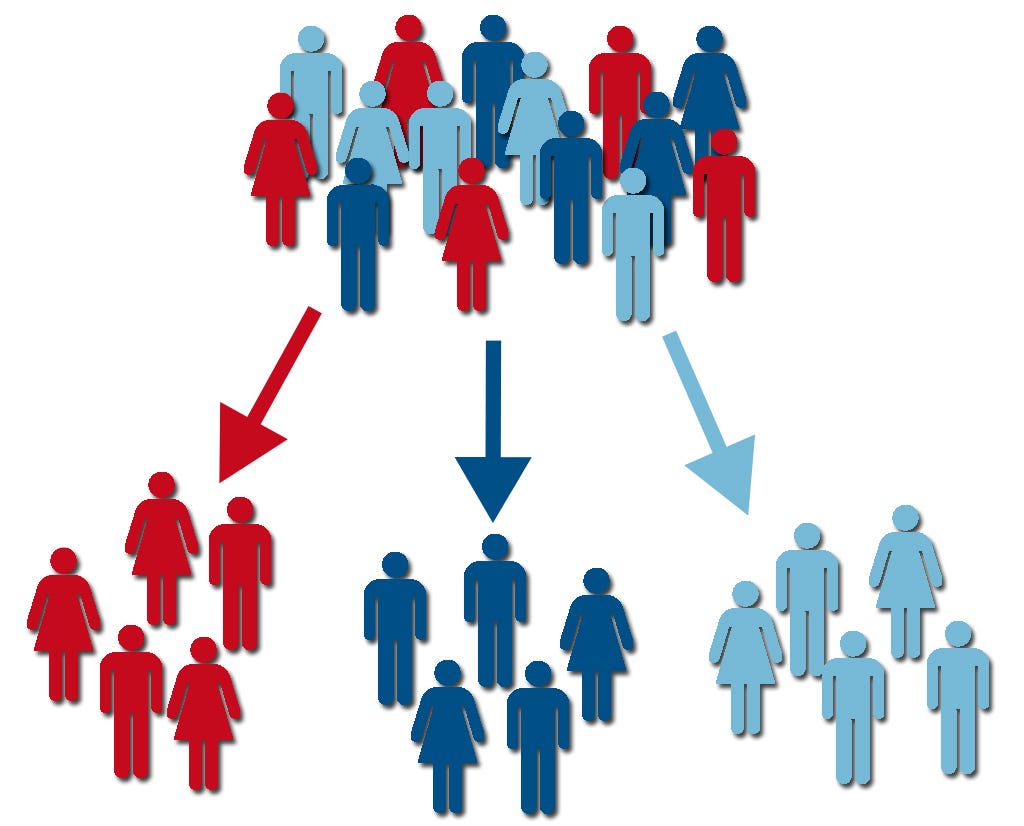
- Personalized Marketing
Today’s consumers expect personalized messages that speak directly to them. By
segmenting customers, businesses can deliver content that is relevant to each group’s specific interests, leading to higher engagement, satisfaction and loyalty. - Efficient Use of Resources
Segmentation helps businesses allocate their marketing budgets more effectively. It
prevents wasting resources on broad, untargeted campaigns, allowing businesses to focus on the groups that are most likely to respond to their message. This improves return on investment (ROI). - Improved Customer Retention
By understanding the needs and behaviors of different customer segments, businesses can offer more tailored products, services and communication. This helps build stronger relationships, leading to better customer retention and reduced churn. - Better Product Development
Segmentation allows businesses to identify gaps in the market and develop new
products or services tailored to specific customer needs. This makes product
development more strategic and aligned with market demand.
The Role of Customer Segmentation in Personalized Marketing
Personalized marketing is all about delivering the right message, to the right person, at the right time. Customer segmentation plays a vital role in this process by ensuring businesses can identify and understand their audience on a more granular level. Once a business knows who its customers are and what they need, it can:
Tailor marketing messages: Instead of sending generic marketing messages to everyone, businesses can create specific messages that resonate with each customer segment.
Improve customer engagement: Personalized marketing that speaks directly to a customer’s needs is far more likely to capture attention and foster loyalty. By delivering relevant content, businesses can encourage repeat purchases and build stronger relationships.
Boost conversion rates: When businesses focus on what matters most to each segment, the likelihood of turning potential leads into actual customers increases. The more relevant the offer, the more likely the customer is to take action.
Enhance customer experience: Segmentation allows companies to anticipate the needs of their customers, offering them a seamless and enjoyable experience. Whether through tailored product recommendations, personalized emails or customized service options, segmentation ensures that customers feel understood and valued.
Customer segmentation is a critical component of personalized marketing. By understanding and targeting specific customer groups, businesses can create more relevant and effective marketing campaigns, build stronger relationships that will drive better results. Leveraging customer segmentation can be the key to standing out in a crowded marketplace.

 Nyangi Consultants LLP