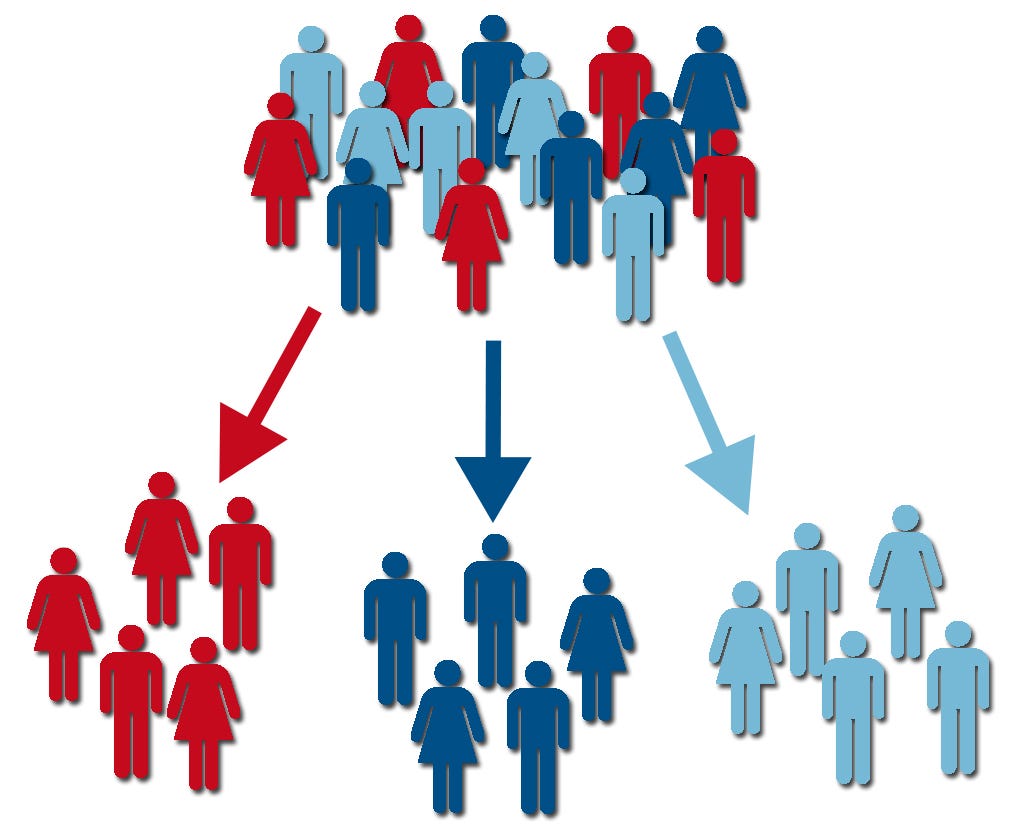
Understanding and meeting customer needs is paramount. Market segmentation emerges as a critical strategy to achieve this. By dividing a broad consumer or business market, normally consisting of existing and potential customers, into sub-groups of consumers based on some type of shared characteristics, businesses can more precisely target their offerings. This strategy enables companies to focus their marketing efforts on specific segments, tailoring their products, services and marketing messages to meet the unique needs of each group.
One of the fundamental benefits of market segmentation is the ability to better allocate resources. By identifying the most profitable segments, businesses can concentrate their marketing and product development efforts where they are most likely to yield significant returns. This targeted approach not only improves efficiency but also enhances customer satisfaction, as offerings are more closely aligned with the preferences and needs of the target audience.
Moreover, market segmentation fosters innovation and differentiation. Understanding the distinct needs and preferences of different market segments can inspire businesses to develop new products or modify existing ones to better serve these segments. This can lead to a competitive advantage, as businesses that effectively cater to the specific desires of a well-defined segment are more likely to retain loyal customers and attract new ones.
Another advantage of market segmentation is the ability to craft more personalized marketing campaigns. By tailoring messages to the characteristics and behaviors of specific segments, businesses can create more engaging and relevant communications. This not only increases the effectiveness of marketing campaigns but also builds stronger connections with customers, enhancing brand loyalty and
driving long-term growth.
However, successful market segmentation requires thorough research and analysis. Businesses must gather and analyze data to identify meaningful segments and understand their characteristics, preferences and behaviors. This process often involves demographic, geographic, psychographic and behavioral analysis. Once segments are identified, businesses must continuously monitor and adapt to
changes in the market to ensure their strategies remain effective.
Market segmentation is a powerful strategy for targeted growth. By dividing a broad market into smaller, more specific segments, businesses can create more personalized and effective marketing strategies. This approach not only enhances customer satisfaction and loyalty but also drives higher conversion rates and better ROI. As markets continue to evolve, companies that leverage market segmentation will be better positioned to meet the diverse needs of their customers and achieve sustained growth.
 Nyangi Consultants LLP