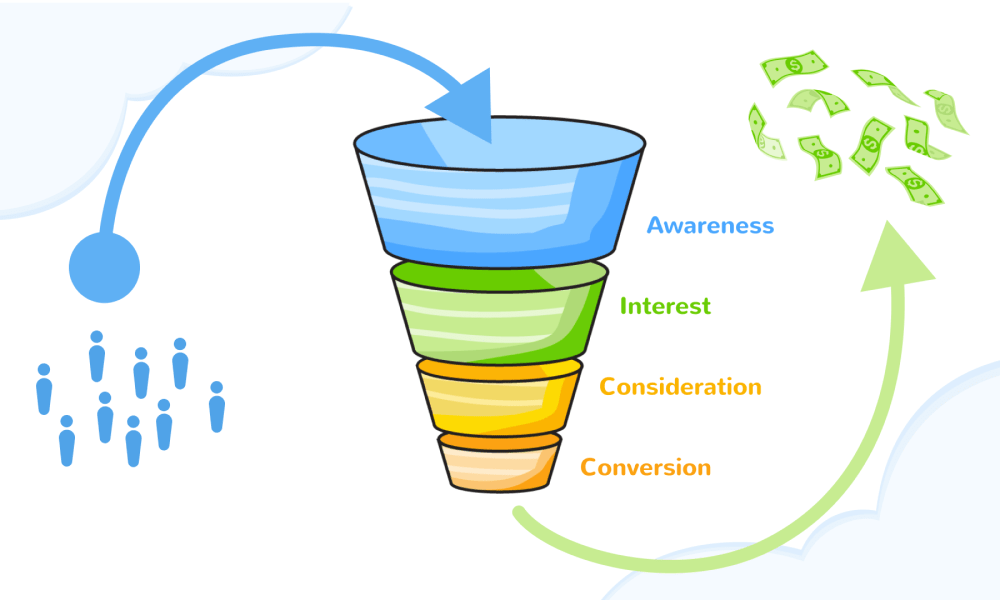
Sales funnel optimization is a strategic approach to improving the journey potential customers take from initial awareness to final purchase. By fine-tuning each stage of the funnel, businesses can enhance user experience, increase engagement and ultimately drive higher conversion rates. This process is essential for any company looking to maximize its marketing efforts and boost revenue.
The first step in sales funnel optimization is to understand your audience. This involves thorough market research to identify customer needs, preferences and pain points. By leveraging this data, businesses can create targeted marketing strategies that resonate with potential customers at every stage of the funnel. Tailored content, personalized emails and relevant advertisements ensure that prospects feel
understood and valued, increasing the likelihood of engagement and conversion.
Another crucial aspect is analyzing and refining each stage of the funnel. The typical sales funnel consists of four stages: awareness, interest, decision and action. At the awareness stage, attracting attention through SEO, social media and paid ads is essential. Once prospects are aware of your brand, nurturing their interest with informative and engaging content helps build a relationship. As they move to the
decision stage, offering free trials, demos or case studies can provide the necessary push towards conversion. Finally, simplifying the purchase process and providing excellent customer support can seal the deal at the action stage.
A key element in optimizing the sales funnel is continuous testing and improvement. Utilizing tools like A/B testing, businesses can experiment with different strategies to see what resonates best with their audience. Metrics such as click-through rates and conversion rates provide valuable insights into the effectiveness of various tactics. Regularly reviewing these metrics allows businesses to make data-driven
decisions, ensuring that the funnel remains effective and efficient.
Furthermore, integrating automation into the sales funnel can greatly enhance efficiency. Automation tools can handle repetitive tasks such as email marketing, follow-ups and customer segmentation, freeing up valuable time for sales teams to focus on more strategic activities. This not only streamlines operations but also ensures that prospects receive timely and relevant communications, further
enhancing their journey through the funnel.
Lastly, maintaining a customer-centric approach is paramount. Listening to customer feedback and making necessary adjustments demonstrates that a business values its customers, fostering loyalty and encouraging repeat business. By optimizing the sales funnel with the customer in mind, businesses can create a seamless and satisfying journey that not only converts prospects into customers but also turns customers into brand advocates.
Sales funnel optimization is a continuous process that requires strategic planning, experimentation and ongoing refinement. By understanding the unique needs and behaviors of their target audience, businesses can tailor their marketing efforts to optimize each stage of the funnel and drive meaningful results. Whether it’s attracting new leads, nurturing prospects or delighting existing customers, a well- optimized sales funnel can be the key to unlocking sustainable growth and success in today’s competitive marketplace.
 Nyangi Consultants LLP