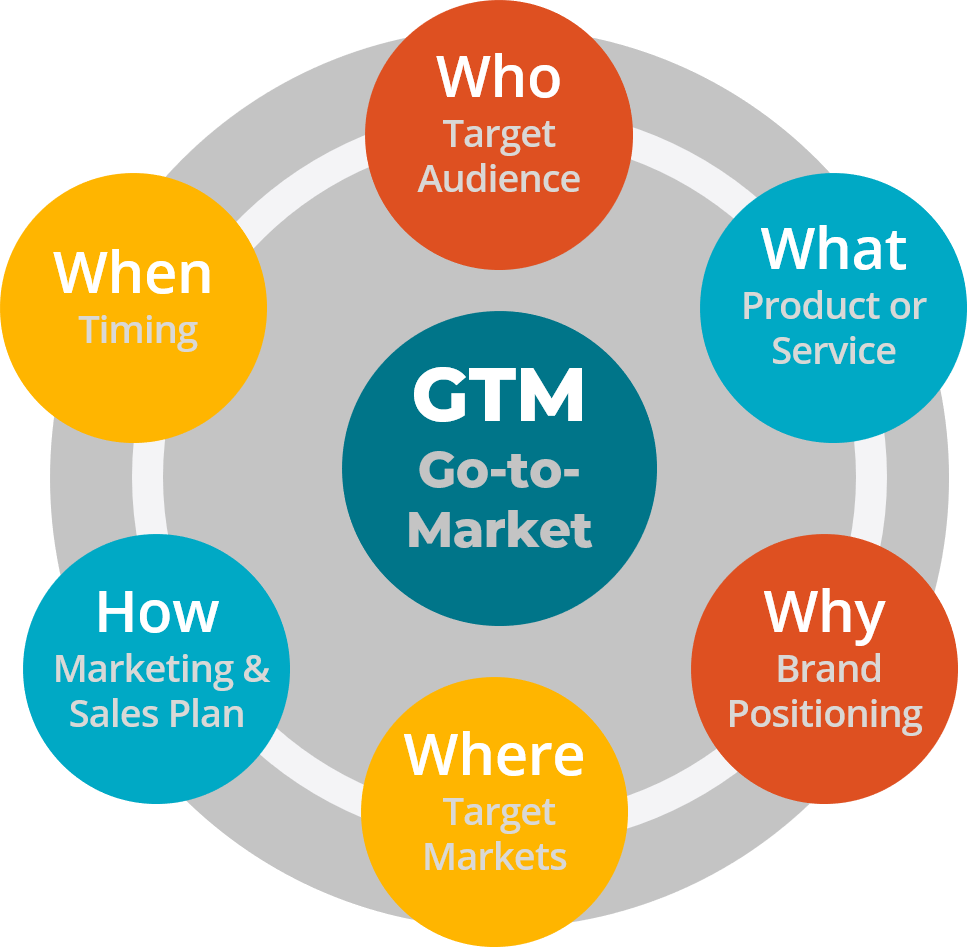
A successful product launch hinges not only on a great idea but also on a meticulously crafted go-to- market (GTM) strategy. This strategic framework outlines the path to introduce and deliver a product to the right audience, at the right time and through the most effective channels. Implementing a successful GTM strategy requires a blend of market understanding, tailored messaging and agile execution.
Understanding the market landscape is the foundation of any robust GTM strategy. Comprehensive market research helps identify target customers, their needs, behaviors and pain points. With a clear understanding of the market, businesses can refine their value proposition and messaging, aligning them precisely with customer demands. This clarity becomes the compass guiding all subsequent GTM activities.
Messaging is the bridge that connects a product with its intended audience. Crafting compelling and resonant messaging involves articulating the unique value proposition in a language that speaks directly to the customers’ needs. The messaging should highlight how the product solves their pain points, providing a clear differentiation from competitors. This messaging consistency across all communication channels helps build brand recognition and customer trust.
An agile and adaptable approach is key to navigating the dynamic market landscape. A successful GTM strategy involves continuous iteration and optimization based on real-time feedback and market insights. Flexibility allows businesses to pivot swiftly, adjusting their approach to accommodate changes in customer preferences, competitive landscapes or unforeseen market shifts.
Strategic channel selection and prioritization are pivotal. Identifying the most effective channels to reach the target audience ensures maximum impact. Whether it’s through digital marketing, social media, traditional advertising or direct sales, the chosen channels must align with where the audience spends their time and seeks information.
Collaboration among cross-functional teams is crucial for the seamless execution of a GTM strategy. Departments such as marketing, sales, product development and customer service must work in harmony, sharing insights and aligning their efforts. A unified approach fosters a consistent brand experience and maximizes the chances of success.
Mastering the art of GTM strategy implementation is an ongoing process that evolves with the market dynamics. Businesses that prioritize a robust GTM strategy increase their chances of not only a successful product launch but also long-term growth and customer satisfaction.
 Nyangi Consultants LLP